2016年9月6日~9日に函館で開催された第60回宇宙科学技術連合講演会にて以下の発表を行いました。
- 2B11 低軌道地球観測衛星用イベントシミュレータの開発(発表)
- 3D08 物質循環シミュレータによるMDRS火星滞在シミュレーションと分析(発表)
- 3E15 宇宙旅行機の閉鎖系環境(宇宙旅行機のキャビン環境)と宇宙飛行訓練(発表)
- 4K14 SBAS電離圏推定アルゴリズムの研究(連名)

宇宙システム開発株式会社(SSD)に関連する各種情報をご紹介します。
2016年9月6日~9日に函館で開催された第60回宇宙科学技術連合講演会にて以下の発表を行いました。
8/3に秋葉原UDX4Fギャラリーで開催されたロボット工学セミナー 「強いロボット 災害現場で活躍するロボットと基盤技術」を見学して参りましたので、ご報告いたします。
このセミナーでは、自然災害や人為災害での復旧、復興するにあたり、過酷な災害現場でのロボットの活躍の話がありました。最近では福島第一原発の事故より人が立ち入ると危険である極限環境において、多くのタフロボットが投入されているそうです。その為に今後どのようなロボット技術が必要であるかを、多くの有名な研究者により紹介されました。
(1)極限災害環境で活躍するタフなロボット ~災害ロボットの研究開発の歴史と趨勢~(東北大学/田所 諭 氏)
頻発する自然災害や人為災害環境では、ロボットが情報収集・対策の切り札になります。ImPACT(革新的研究開発推進プログラム)におけるタフ・ロボティクス・チャレンジでは、人間では活動不可能な場所にて、「タフでへこたれない」というロボットの実現により、条件が悪くても失敗を何度でも繰り返しができ、ロボットが環境に適合した能力を発揮できるようにすることを目指しているそうです。
福島第一原発に投入された「Quince」が紹介されました。Quinceは、千葉工大のfuRoを中心に、NEDOと東北大学と共同で開発されたキャタピラ型ロボットです。最初に福島第一原発に投入された米IRobot社の「Packbot」では探査できなかった2階の調査をしました。本来のQuinceの目的は、NEDOよりテロ対策やガス漏れ検査のために開発されたものですが、東日本大震災を受け東京電力(以降:東電)から依頼を受けたことよりシステムが改良されました。
瓦礫の中に人が埋まっていることで、多くの大きなロボットは進入できません。そこで、瓦礫内空間探査ロボットとして、蛇型の能動スコープカメラが紹介されました。このロボットは、分布型振動移動機構を用いて自走し数センチの隙間に進入できるそうです。このロボットは駐車場建設現場倒壊事故やケルン歴史文書館倒壊事故で活躍したそうです。
(2)空から調査・救助~飛行ロボット~(千葉大学/野波 健蔵 氏)
現在ドローン業界ではDJIとParrotと3DRoboticsを中心におよそ数百件の企業があるそうです。その中でも国内でもっとも有名な企業「ミニサーベイヤー」の創立者であり、世界でのドローン開発のパイオニアである千葉大学の特別教授の野波先生は、「これまでドローンはエンターテイメントを中心であったものの、今後数年で複数の企業で重要な役割を果たすのでは」と語りました。
国産機ミニサーベイヤーの「MS-06LA」というドローンを紹介されました。日本製のこのドローンの凄いところは、オートパイロットにモデルベース制御技術を使っているところのようです。また、非GPS環境下での自律飛行であることから、GPSを利用せずに自分の位置を把握しながら自律飛行することができるみたいです。その他にも、バッテリー自動交換機能や物理モデルを用いた3Dエミュレータも装備しているようです。
現在、農林水産省では農作物関税削減により、農林水産の業界では厳しい競争にさらされているため、ドローンとIOTを活用した「スマート農業」が期待されているそうです。また、ドローンでのSLAM自律飛行による打音検査が実現できているそうです。
(3)新たなロボット機構要素 ~極限環境で動作可能な新しいロボット機構を創るためのコンセプトを生み出すには~(東北大学/多田隈 建二郎 氏)
多田隈先生は、機構を発想することが趣味だそうです。主に移動型ロボットを研究されており、大学院時代は展開式3軸惑星探査ローバーの研究されていたそうです。
研究テーマは、転倒しても動き続けることができるロボットの実現だそうです。全方向移動車輪で有名な「オムニホイール」では、段差の乗り越えや溝を乗り越えることが不可能なので、そこで球体型のオムニホイールを開発することで、課題を解決できたそうです。
上記より円形断面のキャタピラを搭載したロボットを開発したとのことです。このロボットは、普通のキャタピラ車と違い、四方八方に動けるそうです。また、この機構を3つ利用したロボットとして惑星探査ローバーをJAXAと共同研究したそうです。この機構の中身は、半球型キャタピラを2枚重ねにして車輪とモーターが覆われた状態でした。実物を持って来られましたが、調べてみるとキャタピラで覆わせることが一番苦労されたそうです。
そのほかにも、全方向駆動歯車「オムニギア」が紹介されました。2軸のギアが下でギア(ラック)として噛みついている板を全方向に移動させられるみたいです。
(4)ロボットインテリジェンス ~消える技術の実現を目指して~(京都大学/松野 文俊 氏)
生物規範型ロボットと群知能を開発されているそうです。アリの餌に群がる仕草とチームワークをロボットでどう実現させればいいのかを実験されているそうです。
ここで、群制御による集団演技の研究として、村田製作所のチアリーディングロボットやモジュラー脚型ロボットが紹介されました。
蛇型ロボットにも着手されているようです。配管の上り方や蛇の動きに関する走破性能の検証結果も紹介されました。
(5)ロボット安全と実証試験 ~基礎研究から製品化までのシームレスな安全の考え方~(長岡技術科学大学/木村 哲也 氏)
JIS規格を用いてロボットや機械の安全を保持しながらどう製作するのかが紹介されました。
以上のことから、災害時に活躍するロボットというのは、人が立ち入ると危険な環境に適応したロボットの機構や知能、規格を考慮し設計製作を行わなければならないと改めて感じました。
以上(記 奥山)
6月24日、25日に宮崎で開催された生態工学会年次大会、及び「生態工学会 若手の会」のSICLE勉強会に参加致しましたので、特に印象に残ったものとして以下の内容を挙げます。
参加日時: 2016年6月24日(土)
場所: 宮崎グリーンスフィア壱番舘
主催: 生態工学会
■宇宙居住のための空気再生に関する研究(JAXA 桜井誠人)
ISSの次のステップとして月近傍ミッションを目指しているという事で、NRO(Near Rectilinear Orbit)の紹介がありました。NROは地球と月を周回する軌道の事で、地球からほとんど可視になるそうです。
発表内容は生命維持システム(CO2除去装置、O2製造装置等)の開発状況と将来展望で、2つ質問が出ました。1つは植物をECLSSに取り込まないのかという質問で、現状ISSでも一人分くらいの酸素は植物から供給したいとの事でしたが収支の計算が難しい為、中々実現していないとの事です。植物から酸素を確保する目処が立てば、積極的に生命維持システムに取り込みたいという事でSICLEの出番かもしれません。2つ目の質問はサバティエ反応で生じるメタンを活用できないかという事でしたが、桜井さんの回答は圧縮すれば燃料くらいには使えるかもという事でした。
■宮崎の日照を生かした太陽エネルギー利活用技術(宮崎大学 西岡賢祐)
宮崎県は年間日照時間と年間降雨量が共に全国トップクラスの県で、太陽光発電には優れている場所です。日照時間が多いというのは直観的ですが、降雨量も重要になってくるのは太陽電池の表面についた汚れを自然に洗い流してくれるからです。
西岡先生の研究内容はいかに効率よく発電するかで、以下の取組により世界トップレベルの変換効率で水素の製造に成功したそうです。
・太陽光追尾
・集光型太陽光発電
・反射防止兼防汚コーティング
太陽光追尾は文字通り、太陽を追尾するシステムです。通常の固定式だと朝夕は太陽光の角度が浅いため発電効率が落ちますが、太陽追尾システムは太陽を追尾するため極端な発電効率の低下を防げます。
集光型太陽光発電はレンズで光を集光する事により、太陽電池の使用面積を減らし、高価な高性能太陽電池で発電するというものです。
反射防止兼防汚コーティングは、超親水性のシリカベースの塗布剤を太陽電光の表面に塗布する事で発電効率低下の原因のひとつである、光の反射と汚れを防止するそうです。太陽電池表面の塗布は実際大変だったみたいですが、現在は掃除ロボットのルンバ的なもので塗布しているとの事でした。
■生態工学会 若手の会のSICLE勉強会
SICLEを説明する立場として、SICLEのデモを行いました。
興味を持ってくれた学生さんはいましたが、来年就職するという事で深く関わる事は出来なさそうです。引き続き、若手の会のリーダーの木村さんを中心にSICLEを使って頂き、意見交換できたらと思います。
三重大の加藤先生から、SICLEのExecuterである「Conversion」について、人間の「消化」処理のインプットが「food」と表現されており、食物の平均値をとっているのは分かるが、食材の偏りによって、消化スピードに変化が出てくると思うので、その揺らぎを表現できれば面白いかもとご意見を頂きました。
以上。
報告:大浦
現在のSSDは、ソフトウェア開発が主な業務となっています。 ロボット研究会は、ソフトウェア開発ばかりでなく、ハードウェアの開発などもやってみたい、という社員が集まり立ち上がりました。 研究会の名称は「ロボット研究会」となっていますが、対象としているのはロボットに限らず、様々なものに興味を持ち研究、 開発の対象としています。
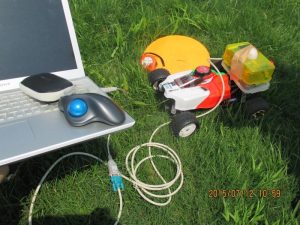
直近では、準天頂衛星を使用した「GPS・QZSSロボットカーコンテスト2015」への参加を通して、Raspberry Pi (小型コンピュータ)やGPS受信機を使用したシステムの開発経験を積みました。
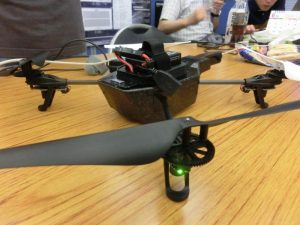
さらに、2016年はドローンの開発にも着手しました。
このように、さまざまなものを対象としてはいますが、やはり宇宙開発を担っている会社の研究会なので、いずれは宇宙開発に関連したロボットなどへとつなげられれば良いと考えています。
50 YEARS or more have passed since the first human trip into space, and research and development of Environmental Control and Life Support System, ECLSS, corresponding to various missions have been carried out. Some detailed studies of long duration missions were performed as early as the 1960’s and 1970’s. Different mission scenarios, such as short term and long term missions, are reflected in the ECLSS design, and the most appropriate ECLSS is different for each mission.
At present, human beings at the International Space Station, ISS, can remain in space for a long term with ECLSS recycling water and oxygen. In the future, examination, research, and development of new life support systems will be required in preparation for exploration of the lunar outpost and manned Mars exploration. As for the development of ECLSS corresponding to these missions, the scale expands and becomes complex, and controlling whole resource recycling becomes more important. A short term mission can use a simple ECLSS that does not perform resource recycling, whereas a long term mission, such as the ISS or a manned Mars exploration, needs resource recycling to reduce resupply, storage requirements and cost.
For supporting these investigations, we are developing new simulation software called SImulator for Closed Life and Ecology, SICLE, which simulates resource recycling and control of the ECLSS. At present, SICLE has operability and expandability, and it is able to help study of closed ecosystem. In addition, we have been improving SICLE to fit for other fields such as logistics.
Resource recycling in the ECLSS is to recycle substances that are needed for human activity and emission matters by utilizing plants and physicochemical devices. Water, oxygen, carbon dioxide and nitrogen are the main component substances. Though some simulators that can simulate resource recycling have been released in the past, we have been developing a simulator with the three following features to accommodate research and development of more diversification and complex life support system.
First, it is important to use a design concept that is based on scientific results. SICLE is a simulator designed based on the scientific results that have supported research of advanced life support system in a real ECLSS research facility, CEEF.
Second, it is important to have an interface that attached importance to direct operability. In a life support system that a large variety of resources and devices cooperate complicatedly, it is important to cognize the detail setting of each device from grasp of system perspective visually and easily. Therefore, SICLE enables a selection operation of the device by icons and making of block diagrams for a designer can design systems easily. In addition, we can grasp and trace the process of simulation visually and change the status such as a device stop and trouble even though SICLE is running.
Finally, it is important to be a software structure including expandability. In order to enable inserting various devices in simulation, SICLE provides a function to easily model various resource recycling systems such as producing and implementing user defined new device and human beings-plant model. Furthermore, SICLE adopts a class structure and algorithm including expandability for applicable to other field.
SICLE provides ECLSS simulations, which can consistently carry out system design, simulation practice and data analysis. It can confirm and grasp a state of simulation anytime. You can easily set up system and change parameters, and can execute and analyze the simulation of various patterns.


The Mars Desert Research Station (MDRS), which is owned and operated by the Mars Society, is a simulated Mars Analogue Research Station in the Utah desert. As the member of the Team NIPPON that consisted of researchers from Japan who conducted a mission at the MDRS as Crew 137 from March 1 to March 15, 2014 and as Crew 165 from March 5 to March 20, 2016, we collected valuable data for further development of SICLE simulations. The crew handled a strong request for conserving water during the MDRS mission through carefully planned cooking and dish washing and reducing showers and toilet flushing. Meanwhile, the measurement of the amount of water supply and drainage was one of the significant research items on this mission, which consequently provided invaluable data of water consumption required for living with a restricted water supply for two weeks.
In the summer of 2014, The Mars Society held an international student design competition, Inspiration Mars Student Design Contest. Inspiration Mars is a manned spaceflight mission to Mars driven by Inspiration Mars Foundation. The main concept described in its architecture study report and feasibility analysis paper is sending two Americans, one male and one female, into free-return orbit to Mars in 2018 so that the journey takes only 501 days owning to the special orbital positioning between Earth and Mars. Team Kanau is one of the student competition entry groups that consisted of students and young professionals from Japan and U.S. Team Kanau’s mission design won the first prize in the final presentation. Since ECLSS analysis is the key factor of this long duration mission design, we collaborated with Team Kanau to determine an optimal system design, especially to decide the size of recycling tanks, offering SICLE as its simulation software.